Table of Contents
Easter is one of the first moments in the year where people start spending again without overthinking it. It’s not a huge holiday like Christmas, but it’s consistent, food, small gifts, long weekend plans, last-minute treats. In the U.S. alone, Easter spending usually lands somewhere around $20–24 billion, and that number holds up year after year.
For brands, that's a useful window. People are already in the mood to buy, you just need to show up in a way that actually gets noticed.
A lot of Easter campaigns rely on the same cues: eggs, soft colors, spring visuals. They work because they’re familiar, but that familiarity also makes everything blend together once you’re scrolling.
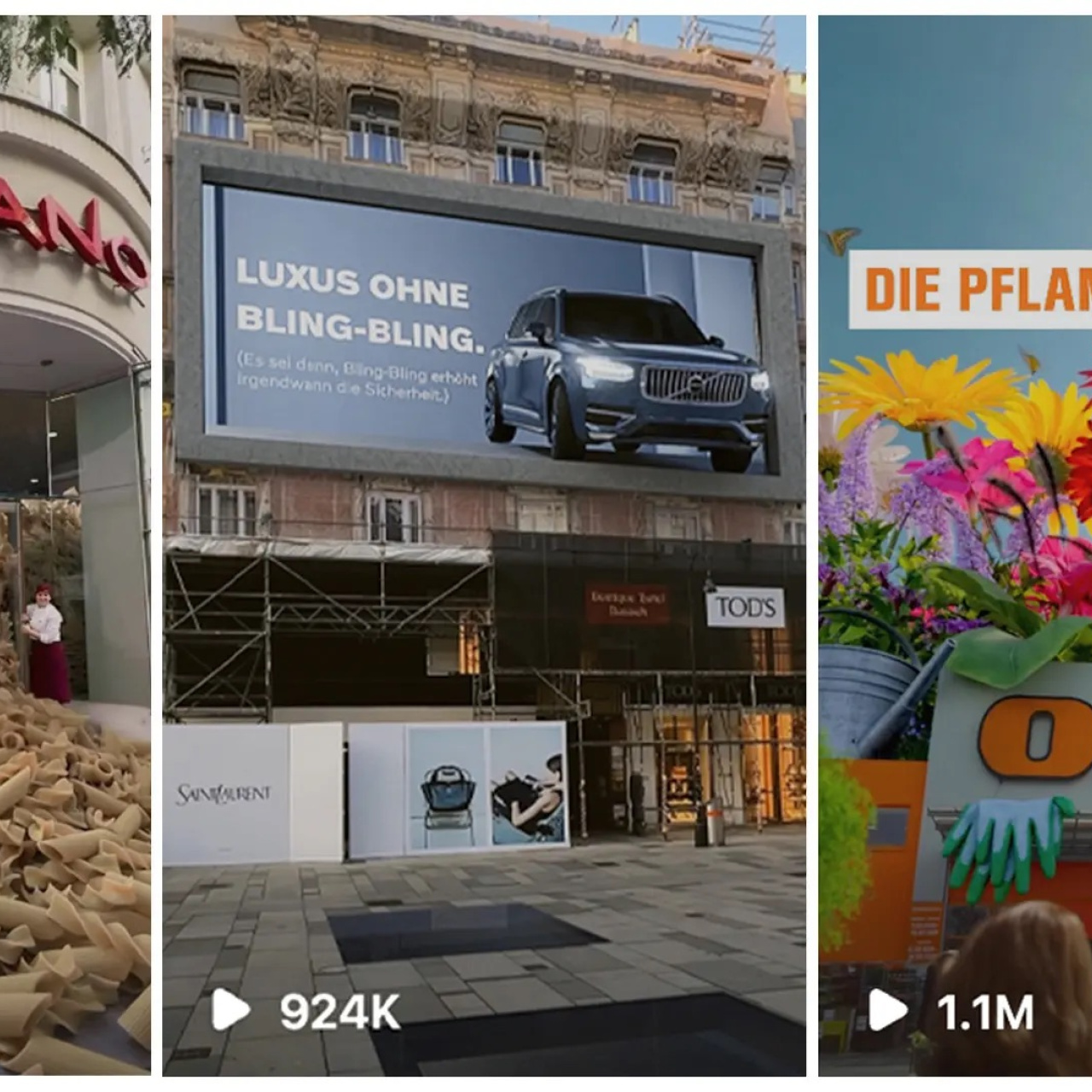
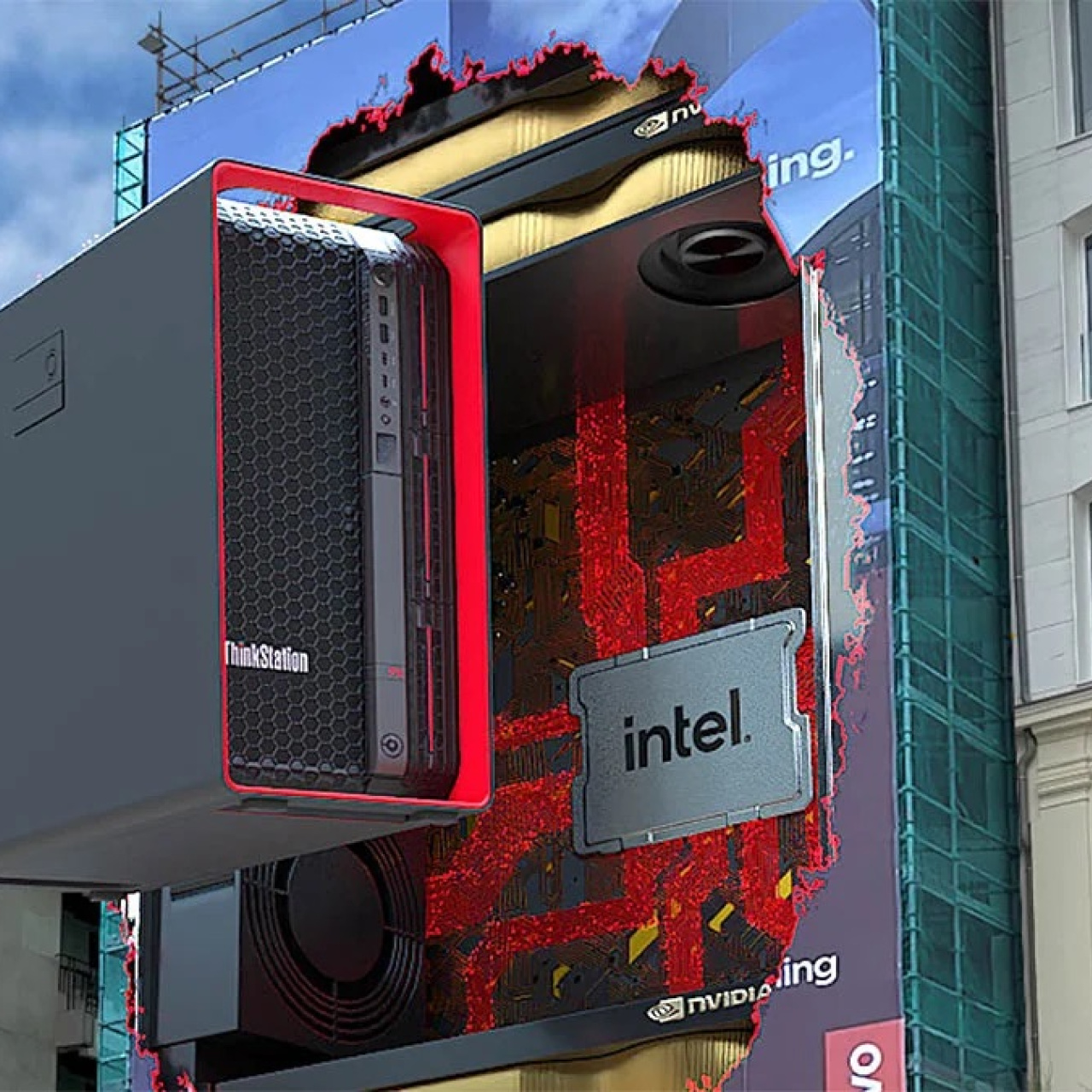
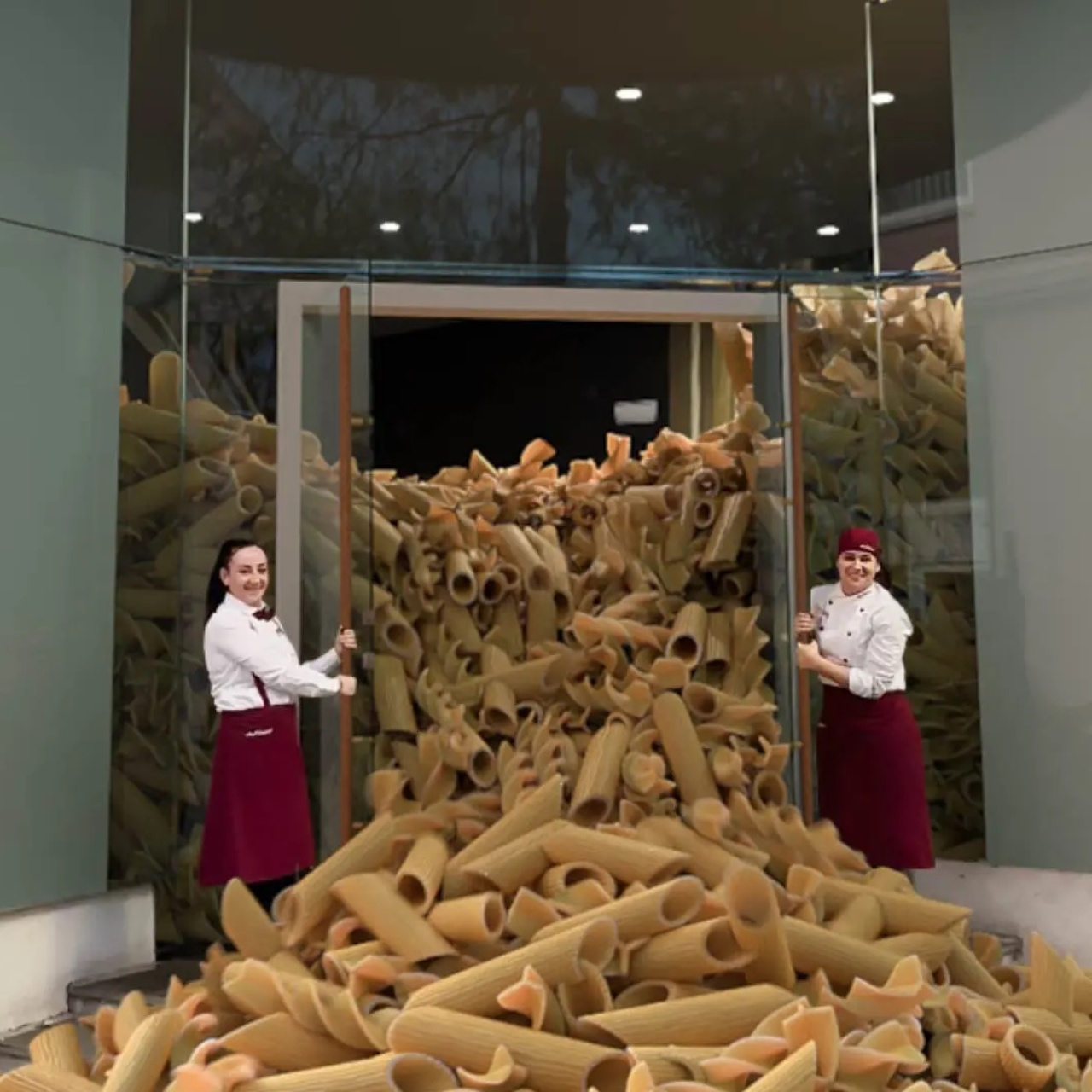
Fake Out of Home ads tends to cut through that pretty easily.
Instead of redesigning the same seasonal visuals, brands take those familiar elements and drop them into real-world settings, bigger, slightly off, or just unexpected enough to make you pause for a second.
That matters more now than it used to. Most of the attention these campaigns are competing for sits inside short-form feeds, where people decide almost immediately whether something is worth watching. If the idea doesn’t land right away, it’s gone.
Why Easter Marketing Works (4 Reasons)
1. People are already in a “just buy it” mindset
Easter doesn’t come with the same pressure as bigger holidays, but that’s kind of the point. Purchases are smaller, more casual, and often last-minute, which makes people less picky and more reactive to what they see. If something catches their attention at the right moment, they’re more likely to act on it.
2. You don’t need to explain the visual
Eggs, bunnies, flowers, everyone already knows what they mean. That’s useful in short-form because there’s no setup required. The viewer gets the context immediately, so the ad can spend its time doing something interesting with it instead of explaining itself.
3. A lot of the ideas naturally involve movement
Opening eggs, things growing, objects appearing, Easter visuals already lend themselves to motion. That fits well with how FOOH ads are usually structured. If something is changing on screen, people are more likely to keep watching just to see what happens next.
4. It fits how people already use social media
People are posting Easter content anyway: food, decorations, plans with friends. FOOH ads don’t feel that far removed from that kind of content, especially when they’re done well. They blend into the feed more easily, which makes them more likely to be shared rather than skipped.
6 Great Easter FOOH Ads (and What Works)
1. New Yorker's Mannequin with Giant Easter Egg
In this FOOH, a storefront facade turns into a surreal display where a mannequin presents a giant Easter egg surrounded by spring elements. And the ad works because everything is immediately clear: the brand, the setting, and the seasonal tie-in, so the viewer doesn’t have to figure anything out before moving on.