Table of Contents
Most ads online don’t even get a full second.
People scroll fast, skip faster, and ignore anything that looks like a typical placement. With 4,000 to 10,000 ads seen daily, the attention currency is expensive.
Add to that the fact that 93% of consumers actively avoid ads, and the baseline expectation becomes clear: if it looks like an ad, it gets ignored.
That’s where FOOH (Fake Out of Home) starts to stand out. It changes something in a real-world setting just enough to make people stop and look, without feeling like a typical ad.
And that pause is the difference.
If you’re planning to use FOOH in your marketing strategy, this guide breaks down what actually matters, how it works, why it performs, and how to create one that people won’t scroll past.
3 Key Things to Know About FOOH Advertising
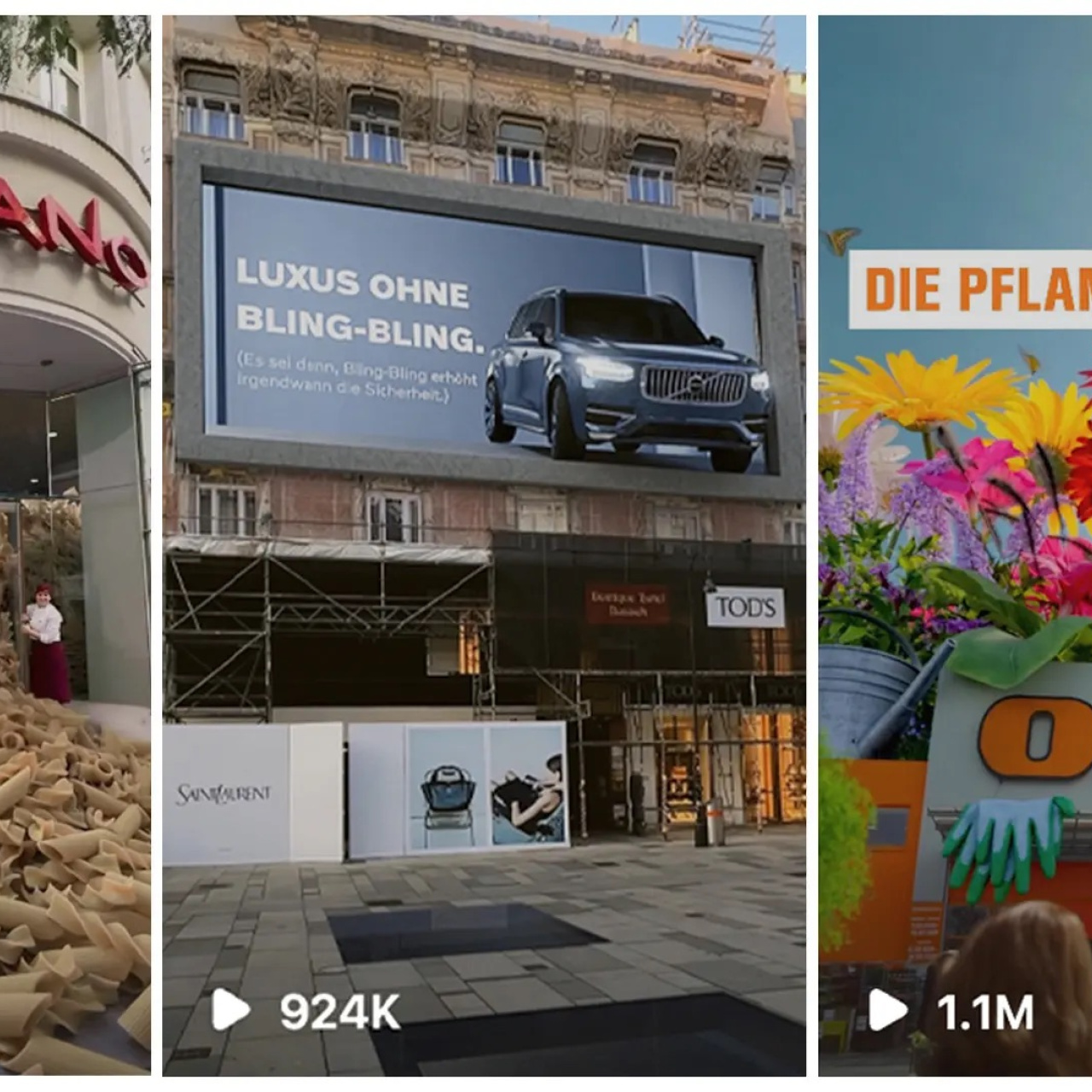
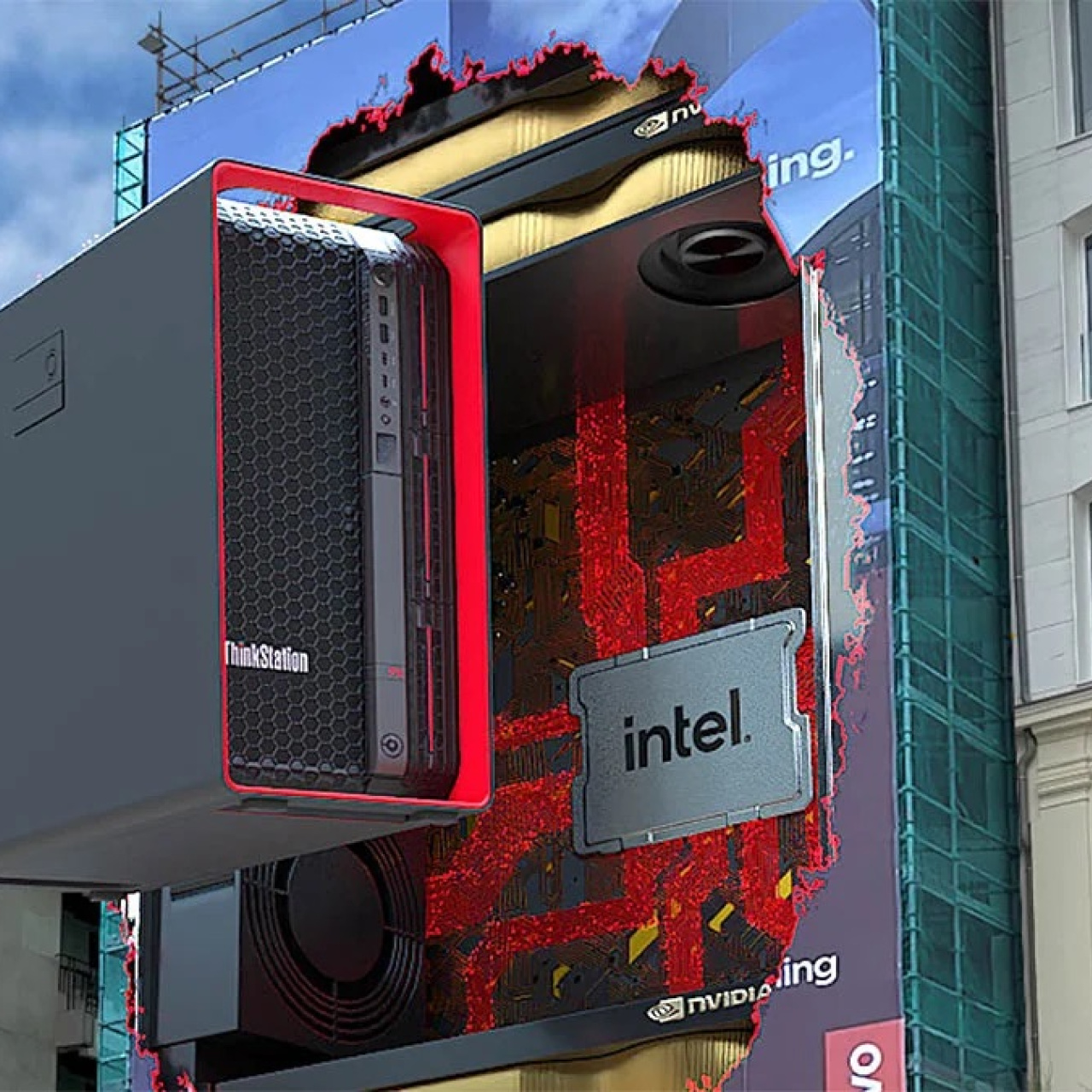
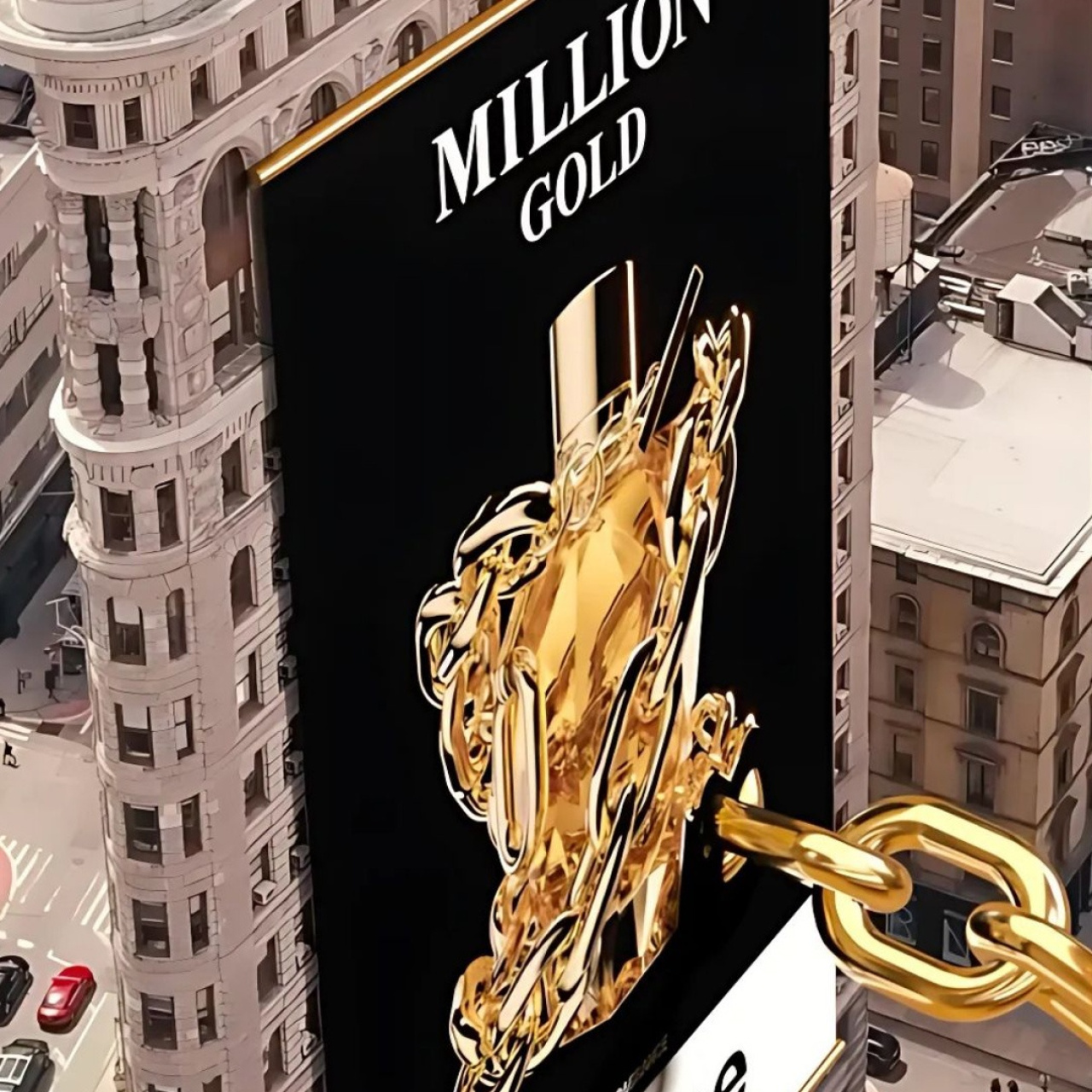
FOOH ads use real video footages and change elements inside it. A street, a building, a skyline, something people already recognize, then a detail shifts. That contrast is what gets attention without needing extra setup.
For brands, this makes concepts easier to land quickly, especially in fast feeds where people don’t give ads much time.
Most FOOH ads run 8 to 15 seconds, and good ones are clear and direct, no room for slow buildup or layered messaging. And this works exceptionally well with short-form platforms like TikTok and Instagram, where quick, visual content performs better.
It’s a format that fits how people already consume content, while still standing out from typical ads.
3. It removes a lot of physical limits
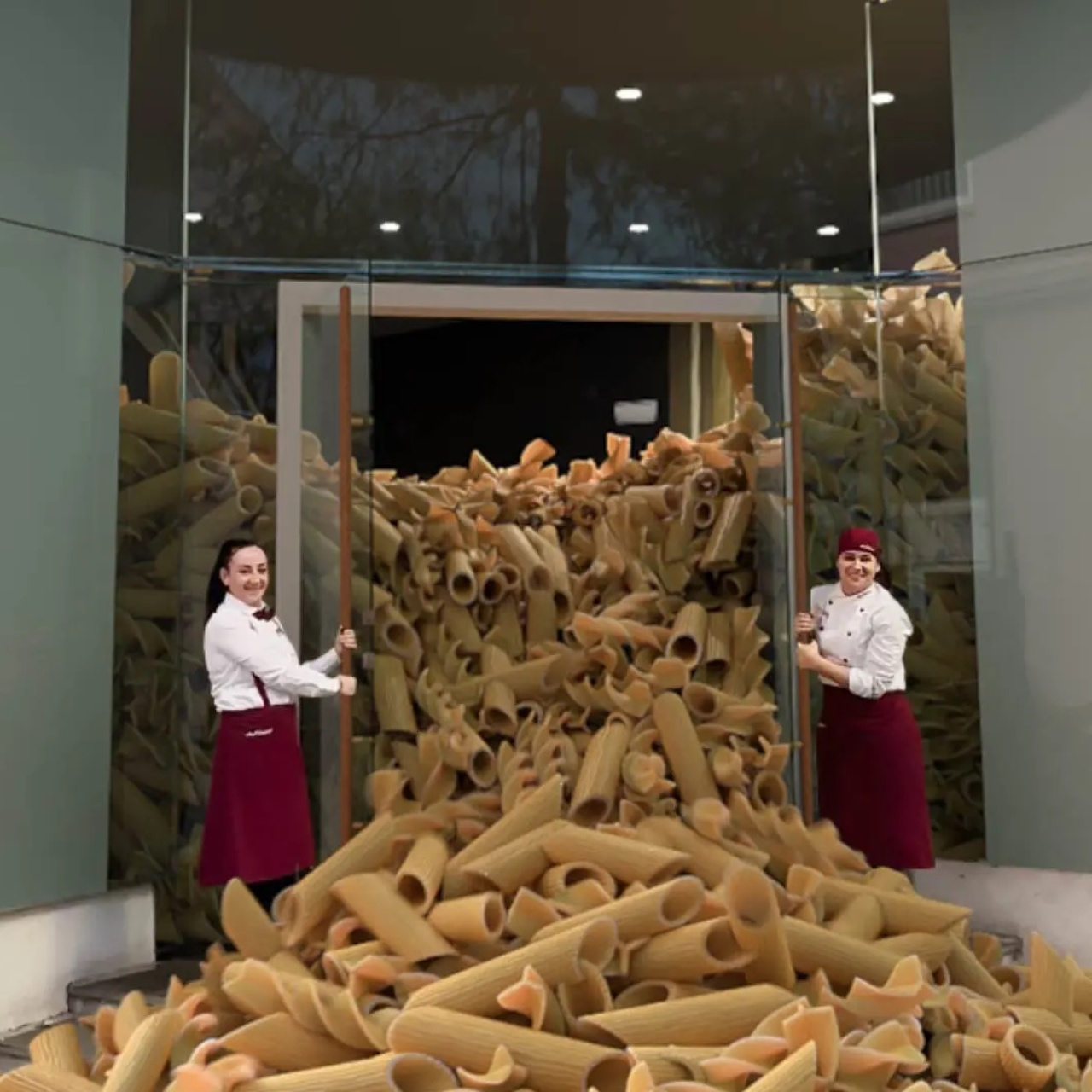
FOOH isn’t tied to what can be built or filmed in real life. Objects can be placed anywhere, scaled up, or added into existing environments. That makes it easier to test multiple ideas without committing to full production early.
And for brands and agencies, this means faster iteration, more flexibility, and the ability to pitch stronger concepts without heavy upfront costs.
5 Reasons FOOH Ads Work So Well Online
1. They’re easy to understand quickly
FOOH relies on visuals instead of copy. You see something familiar, then something changes, that’s enough to get the point across. There’s no need to read, listen, or interpret.
The idea lands in a second or two, which matters when people are scrolling fast. And that clarity makes it easier to communicate a message without relying on copy.
2. They create a moment of uncertainty
There’s usually a brief pause where the viewer tries to figure out if what they’re seeing is real. That hesitation is what keeps them watching a little longer.
It also increases the chance of a replay, especially when the change isn’t obvious at first glance. This gives the content more staying power without needing a longer runtime.
3. They’re built for sharing
FOOH works well because it’s easy to describe. You don’t need context to explain it, “there’s a giant product in the middle of a real street” is usually enough.
That makes it more likely to get sent around or reposted. It also extends the life of the content beyond the initial post, which reduces reliance on paid reach.
The format lines up with how people already consume content on TikTok and Instagram. It’s visual, quick, and doesn’t depend on sound.
That means it can perform even when viewed passively, like when someone is scrolling without audio. or agencies, it’s a format that works with the platform instead of against it.
5. They focus on one clear idea
Most FOOH ads are built around a single visual. One product, one change, one moment.
That keeps the message easy to process and easier to remember later. It also avoids the problem of overloading the viewer, which is common in more traditional ad formats.
4 Advantages of FOOH Ads for Agencies
1. Lower production requirements
FOOH removes the need for large physical builds or complex setups on location. Because a lot of the work happens in post-production.
This means reduced costs while still producing something that looks high quality. FOOH gives agencies and brands more room to experiment without committing to expensive shoots early.
2. More creative flexibility
Since the environment is digital, you’re not limited by what can actually be built. Objects can be placed, resized, or adjusted without starting over. This makes it easier to test different versions of an idea before locking it in. It also allows for faster iteration during the concept phase.
3. More accessible for smaller teams
You don’t need a large production team to create something that looks polished. With the right setup, smaller teams can produce work that holds up visually. That makes it easier to compete on output without matching the budgets of bigger campaigns. It also encourages more experimentation.
4. Still requires solid execution
Even with simpler production, the final result depends on the details. If tracking or lighting is off, the illusion breaks quickly.
Ad fatigue plays a role here too, people are less likely to engage with content that feels repetitive or poorly finished. For agencies, that means the concept needs to be strong, and the execution needs to hold up.
How to Create a FOOH Ad in 4 Steps
1. Create a clear concept
Start with one idea that can be understood immediately. The viewer shouldn’t need time to figure out what’s happening. If the concept takes too long to explain, it won’t work in a short clip.
Keeping it focused on one visual makes it easier to execute and easier to watch.
2. Validate the idea early
Some ideas look simple but are difficult to execute. It helps to check feasibility before moving forward.
This includes budget, timeline, and technical requirements. Getting input early reduces the risk of having to rework everything later.
3. Plan and shoot properly
The footage you capture will affect how well the final edit works. Stable shots and consistent lighting make CGI integration easier. It’s better to control these factors during filming than to fix them later. This step often determines how smooth post-production will be.
4. Refine in post-production
This is where the idea comes together. Small details like shadows, reflections, and scale make the difference between something that works and something that doesn’t. Clear, specific feedback helps keep revisions manageable.
The more precise the direction, the smoother this stage becomes.
3 Best Practices for Running FOOH Campaigns
1. Keep the idea simple
Strong campaigns usually stick to one clear visual. Adding too many elements makes it harder to follow.
A simple concept is easier to understand and easier to remember. It also performs better in short-form formats.
2. Track the right metrics
Impressions don’t tell you much on their own. Engagement, shares, and watch time give a better sense of how the content is performing.
These metrics show whether people are actually paying attention, not just seeing the ad.
3. Learn from existing campaigns
Looking at other FOOH ads helps you understand what works in practice. You start to notice patterns in pacing, structure, and visual clarity.
That makes it easier to refine your own ideas and avoid common mistakes.